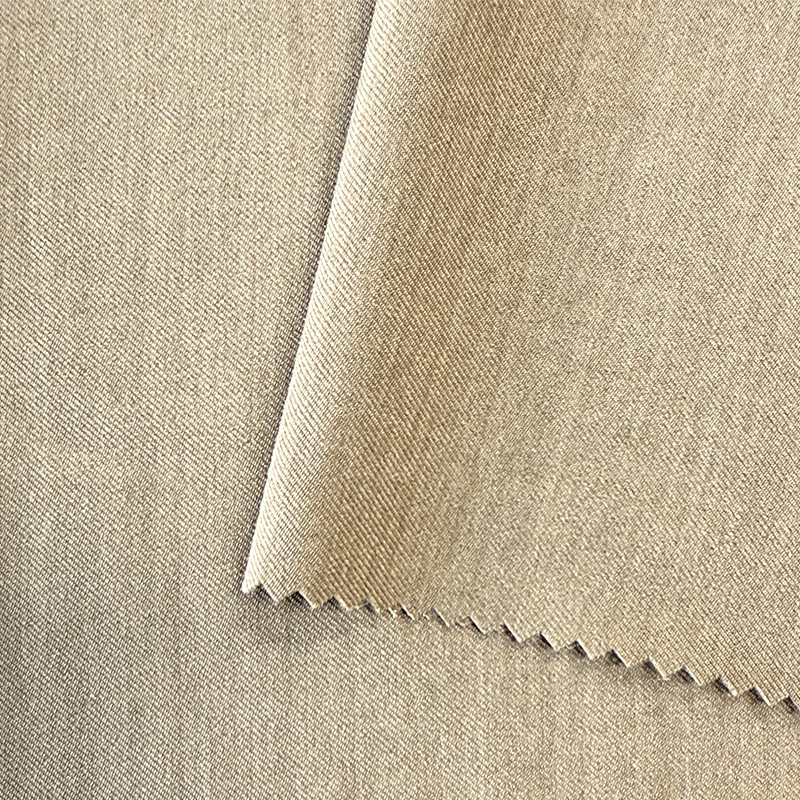
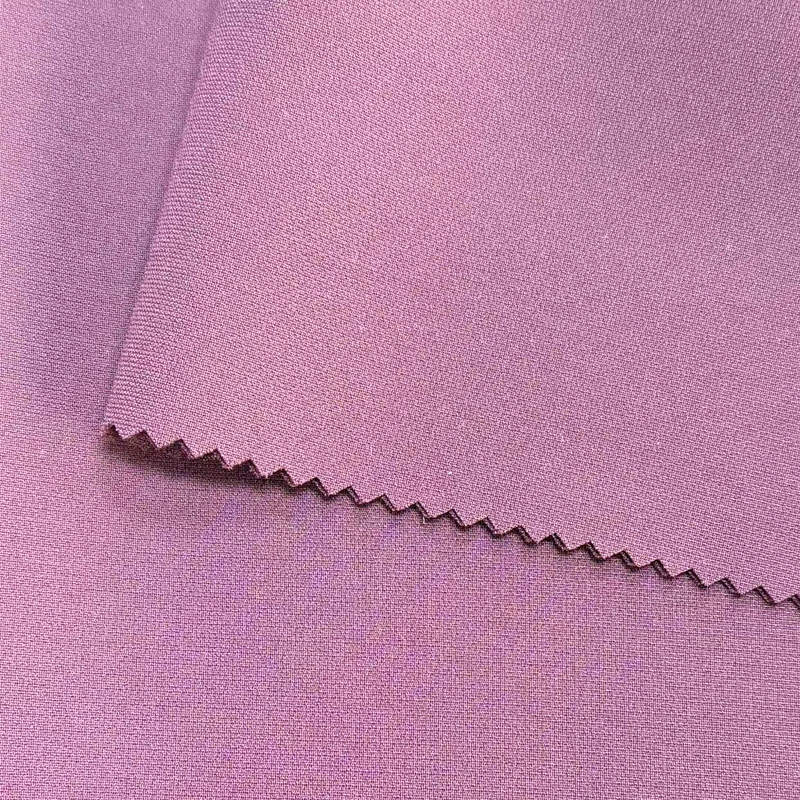
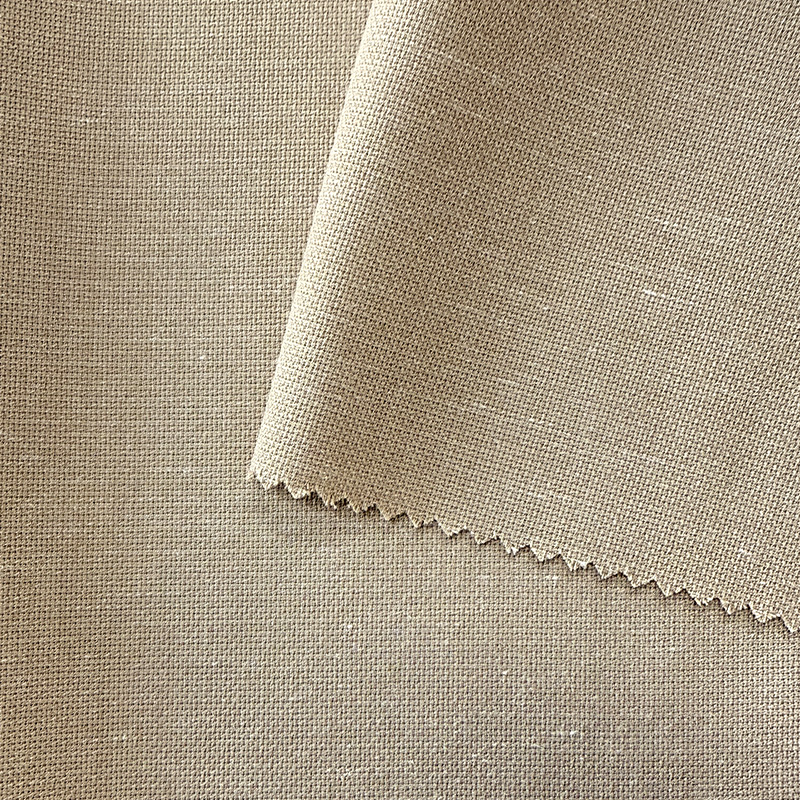
NO1034 CEY 高密度 2/1 ツイル生地 – 気流ジェット染色スタイル
100%T 58"60" 200GSM NO1034 CEY 高密度 2/1 ツイル – エアフロー ジェット染色スタイルは、CEY 高密度 21 ツイル – エアフロー ジェ...


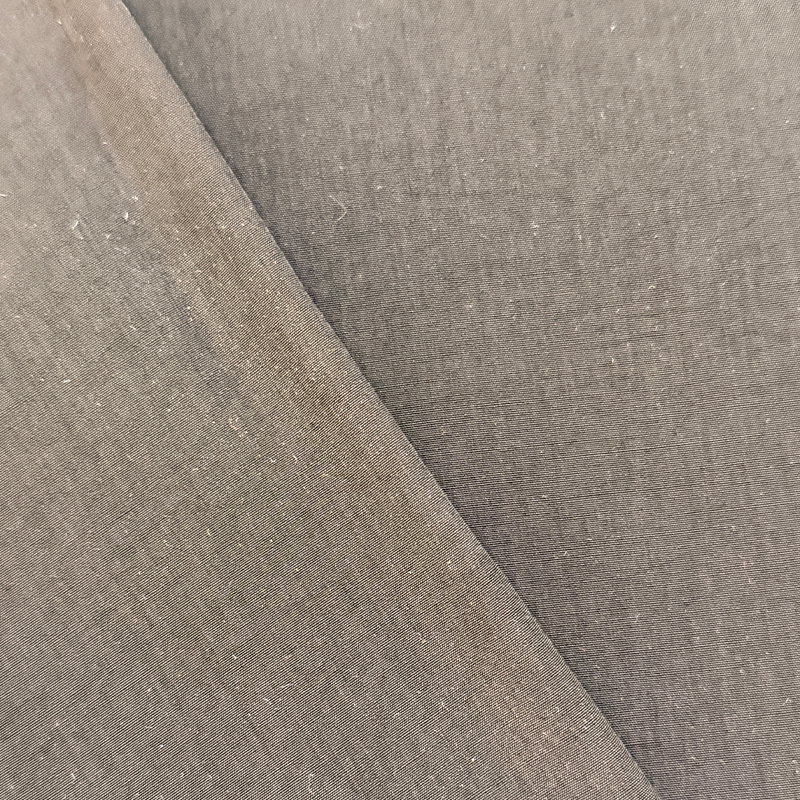


Black velvet fabric rarely fails because the color is wrong. It fails because the pile, backing, and finish were specified for the wrong end use. A buyer may approve a rich black swatch, then discover that the same velvet marks badly on a fitted sleeve, loses its depth under warm retail lighting, o...
続きを読むMost crinkle fabric complaints we see are not defects. They start as a misunderstanding. A buyer approves a heat-set crinkle swatch in a showroom, signs off 3,000 meters, and then finds the bulk rolls feel flatter in the middle, or that a 50 cm test square has pulled in 4 cm after a home wash. Noth...
続きを読むTwo jersey swatches, both 160 gsm, both undyed, sitting side by side on a cutting table. The cotton one holds a soft fold and stays put. The modal one slides toward the edge before anyone can pin it down. Buyers who handle fabric every day read that slide instantly, because it tells them more about...
続きを読むアン アパレル生地コレクション は、繊維含有量、構造方法、重量、仕上げ処理ごとに体系化された一連の繊維素材をまとめており、衣料品メーカーやブランドが単一の整理されたリファレンスから一貫した素材を調達できるようにします。各生地を個別の製品として扱うのではなく、よく整理されたアパレル生地コレクションでは、共通の性能特性、構造ロジック、最終用途への適合性に従って素材がグループ化され、複数の衣類カテゴリにまたがるバイヤーの仕様、比較、調達が簡素化されます。このようなコレクション内の生地は通常、繊維組成、構造、表面仕上げ、平方メートルあたりのグラム数で表される重量 (一般に GSM と表記) など、いくつかの次元に沿って分類されます。これらの寸法を理解することは、デザイナーや調達チームが、テーラード シャツ、構造化されたパンツ、断熱ジャケット、ストレッチ ニット トップスなど、特定の衣類の機能的および美的要件に生地の特性を適合させるのに役立ちます。衣類のパフォーマンスは、裁断や構造のみではなく、その下にある生地に大きく依存するため、生地の選択は衣類開発の初期の、より重要なステップの 1 つです。
アパレル生地コレクション内の生地を評価するために一般的に使用される中核性能指標には、引張強度、引裂抵抗、耐摩耗性、洗濯後の寸法安定性、光および摩擦に対する色堅牢度、通気性が含まれます。軽量の開織り生地は、より重い起毛生地やコーティング生地とは異なる動作をするため、生地のドレープや肌に対する感触を意味する重量と手触りも、生地がどの衣服カテゴリーに最適であるかに影響します。シルケット加工、サンフォライゼーション、カレンダー加工などの仕上げ処理は、基本繊維の含有量を変えることなく、表面の平滑性、収縮挙動、光沢を調整できます。そのため、同じ繊維混紡の 2 つの生地が、完成後のパフォーマンスにまったく異なる可能性があります。適切に文書化されたアパレル生地コレクションでは、通常、これらの属性が各生地の仕様書に記録されており、組成、重量、幅、織り方または編み方、推奨される最終用途がカバーされているため、購入者は生地を同等の基準で比較できます。生地データを整理するためのこの構造化されたアプローチは、専門的なコレクションと、大まかに組み立てられたサンプルのセットを区別するものです。
典型的なアパレル生地コレクションに含まれる生地は、通常、織布、ニット生地、混紡または機能的に仕上げられた生地の 3 つの大きなグループに分類されます。各グループは異なる構築ロジックに基づいて構築されており、それによって伸縮性、ドレープ性、通気性、耐久性が決まります。織布は 2 組の糸を直角に織り交ぜることによって作られ、エラスタンが添加されない限り伸縮性が制限された比較的安定した構造を生成します。ニット生地は糸のループを絡み合わせて形成されるため、自然に伸縮性と回復性が向上し、フィット感のある衣服やスポーツ用の衣服によく使われています。混紡生地は、同じ糸または生地構造内で 2 つ以上の繊維タイプを組み合わせて、柔らかさ、強度、しわ耐性、耐久性などの特性のバランスをとります。
ポプリン、ツイル、オックスフォード、キャンバスなどの織物は、織り交ぜられた構造が伸びに強く、規定の形状を保持するため、シャツ、ズボン、アウターウェアに広く使用されています。ポプリンは織りが細かく緻密で表面が滑らかなので、ドレス シャツや軽量のブラウスによく選ばれます。斜めのリブ模様が特徴のツイル生地は耐久性が高い傾向があり、ワークウェア スタイルのズボンやジャケットによく使用されます。オックスフォード織りの生地は、わずかにザラザラしたバスケットのような表面を持ち、カジュアルなシャツによく選ばれます。一方、キャンバスは、強度が高く評価され、構造化されたアウターウェアによく使用される、より重い平織りの生地です。
伸縮性、回復性、肌に対する快適さを優先する場合は、ジャージ、インターロック、リブ ニット、フレンチ テリー、ポンテなどのニット生地が選択されます。ジャージは、その柔らかさとドレープ性により、T シャツやカジュアル トップスに広く使用されている軽量の単層ニットです。インターロックニットとリブニットは、より高密度で安定した構造を持っており、ポロシャツや袖口など、よりきれいな表面と優れた形状保持が必要な場所によく使用されます。フレンチ テリーは裏側にループ状の糸があり、通気性を保ちながら暖かさを高めるため、スウェットシャツによく選ばれます。一方、ポンテ ニットは、伸縮性が限られ、保形性に優れたしっかりとした二重編みの生地で、構造的なニットのパンツやドレスによく使用されます。
綿とポリエステル、綿とスパンデックス、ポリエステルとビスコースなどの混紡生地は、天然繊維の快適さと合成繊維の耐久性、しわになりにくい、伸縮性を兼ね備えています。たとえば、綿とポリエステルの混合物は、通常、純粋な綿と比較して、適度な通気性を維持しながら、縮みやしわが軽減されます。起毛フリース、撥水コーティング、吸湿発散加工などの機能的な仕上げを施した生地は、アウターウェアやアクティブウェアなどの特定の最終用途向けに設計されており、汎用用途よりも特定の性能特性が優先されます。ベースファイバーブレンドと追加の機能性仕上げのどちらを選択するかは、多くの場合、性能要件が伸縮性などの構造的なものであるか、それとも耐水性などの表面レベルであるかによって決まります。
| 生地の種類 | 代表的な構成 | 重量範囲 (GSM) | 一般的な最終用途 |
|---|---|---|---|
| ポプリン(織物) | 綿または綿混紡 | 100~150 | シャツ、ブラウス |
| ツイル(織物) | 綿または綿ポリ | 180~260 | ズボン、作業着 |
| ジャージ(ニット) | 綿または綿エラスタン | 140~180 | Tシャツ、カジュアルトップス |
| フレンチテリー(ニット) | 綿ポリ混紡 | 240~320 | スウェットシャツ |
| ポンテニット | ポリビスコースエラスタン | 280~350 | 構造化されたニットウェア |
| メルトンウールブレンド(ウーブン) | ウールブレンド | 400~500 | コート、アウターウェア |
1 平方メートルあたりのグラム数で測定される重量は、バイヤーがアパレル生地コレクション内の生地を比較するときに最初に確認する仕様の 1 つです。これは、暖かさ、ドレープ性、特定の季節や衣服の種類に対する適合性の観点から、生地がどのように動作する可能性があるかを示す早見表を提供します。重量の範囲は織物構造と編物構造の間で大幅に異なり、平織物と起毛生地またはウール混紡生地の間ではさらに大きく異なるため、数値の表のみを表示するよりも視覚的に比較することで違いを解釈しやすくなります。下の図は、1 平方メートルあたりのグラム数で表したおおよその中間点の重量を使用して、5 つの代表的な生地タイプを並べて配置しています。バーを一緒に見ると、軽量のシャツ地がより重いアウター向けの素材とどのように異なるかがわかります。
図 1. 代表的な生地タイプのおおよその中間生地重量 (GSM)。
グラフが示すように、ポプリンはこの範囲の軽い方に位置しており、かさ高よりも通気性と柔らかなドレープが重要なシャツ地での一般的な使用と一致しています。ツイルは耐久性と着用可能な重量のバランスを反映し、中間の位置を占めており、ズボンやライトアウターに頻繁に使用される理由が説明されています。ジャージーは、織物ではなくニットであるにもかかわらず、ツイルと同等の重量範囲にありますが、その伸縮性と柔らかさは、構造的なズボンではなく、T シャツなどのさまざまな衣類に適しています。フレンチ テリーは裏面がループ状になっているため、著しく重く、生地を厚くすることなく断熱エアポケットが追加されます。メルトンウールブレンドは、比較の中で明らかに最も重い端に位置しており、軽さよりも暖かさと構造が優先されるコートやアウターウェアでの一般的な使用と一致しています。重量は重ね着、季節性、および製造方法と密接に関係するため、この種の重量比較は、衣類開発の初期段階で役立ちます。コートとしては生地が軽すぎると適切な構造が得られず、サマーシャツとして生地が重すぎると快適さと通気性が損なわれます。アパレル生地のコレクションをレビューするバイヤーは、伸縮率や色堅牢度などのより詳細な特性を評価する前に、最初のフィルターとして重量を使用することがよくあります。ただし、仕上げ処理や繊維の含有量も重要な役割を果たすため、重量だけで暖かさや耐久性が決まるわけではありません。このため、重量の比較は一般に、単独ではなく、構成および構造の詳細と併せて解釈されます。
同じ繊維含有量であっても、構造や仕上げによって性能が大きく異なる場合があるため、アパレル生地コレクションを扱う際には、生地をその意図された用途に適合させることが中心となります。カジュアルウェア、フォーマルウェア、アクティブウェア、アウターウェアなどの衣類カテゴリでは、それぞれ通気性、伸縮性、構造、耐候性に対して異なる要求が課されます。特定の用途を考慮せずに生地を選択すると、ハンガーにかけた状態では正しく見えても、着用したり、洗濯したり、風雨にさらされると機能が低下する可能性があります。以下の概要では、一般的なアプリケーション シナリオと、それぞれのケースで最も重要になる傾向があるファブリックの特性を概説します。
T シャツ、カジュアル シャツ、普段使いのズボンなどのカジュアルな衣類は、一般的に構造よりも快適さ、通気性、お手入れのしやすさを優先します。軽量から中厚手の綿または綿混紡のニットや薄手の織物がよく選ばれます。これは、柔らかさと繰り返しの洗濯による適度な耐久性のバランスが取れているからです。
フォーマルなシャツやテーラードパンツでは、滑らかで安定した表面、しわになりにくく、一貫したドレープが重視されます。このカテゴリでは、ポプリンやファイン ツイルなどのより細かい織物がよく選択され、形状保持のために少量の合成繊維が混紡されることもあります。
アクティブウェアには伸縮性と回復性、水分管理、速乾性が求められ、通常はエラスタンを含有し、吸湿発散性に優れた仕上げを施したニット生地が求められます。ここでは、通気性と繰り返し延伸後の寸法安定性が特に重要な選択基準となります。
アウター生地は、暖かさ、防風性、耐久性を提供する必要があり、多くの場合、厚手の織物、ウール混紡、または起毛またはコーティング仕上げの生地によって実現されます。アウターウェアは一般に、軽量の衣類よりも長い耐用年数にわたってその形状を維持することが期待されるため、このカテゴリでは重量と構造がより重要になります。
標準条件下で繊維が周囲の空気から自然に吸収する水分の量を意味する水分率は、さまざまな用途の繊維を比較する際の有用な基準点となります。水分回復率が高い繊維は肌への吸収性が高くなる傾向がありますが、水分回復率が非常に低い繊維はすぐに乾燥状態に戻り、吸水しにくくなります。この特性は、テーラードまたはアウターウェア用途に好まれる繊維と比較して、どの繊維タイプがアクティブウェアに好まれるかに直接影響します。以下の折れ線グラフは、アパレル生地のコレクションでよく見られる 4 種類の繊維 (綿、ウール、ビスコース、ポリエステル) のおおよその水分回復率を比較しています。グラフを左から右に読むと、同様の衣類カテゴリーに含まれる可能性のある繊維間でも、この特性がどれほど大きく異なる可能性があるかがわかります。
図 2. 一般的な繊維タイプのおおよその水分回復率。
ウールは 4 つの繊維の中で最も高い吸湿率を示し、これはアウターウェアや寒い季節の衣類に長年使用されてきたことと一致しており、湿気を吸収してゆっくりと放出することで暖かさを感じさせます。また、ビスコースは、そのセルロースベースの構造を反映して、比較的高い水分回復率を示します。これが、高機能衣類に単独で使用されるのではなく、柔らかさとドレープを加えるために他の繊維とブレンドされることが多い理由の 1 つです。綿は適度な量であり、これはその長い歴史がカジュアルや日常着に快適で通気性のある選択肢であることを説明していますが、これと同じ特性は、綿の衣類が濡れると重く感じられ、乾くのが遅くなる可能性があることを意味します。ポリエステルは、水分吸収率が明らかに最も低く、吸湿性が低いと汗が生地表面に移動し、より早く蒸発するため、合成繊維がアクティブウェアによく選ばれる主な理由です。このパターンは、ポリエステルと少量の綿またはビスコースを組み合わせて速乾性と柔らかな手触りのバランスをとるなど、アパレル生地コレクション内で一般的なブレンドの決定を説明するのに役立ちます。また、他の状況では快適性が向上するにもかかわらず、テクニカル アクティブウェアの生地がウールやその他の高回復繊維のみで作られることがほとんどない理由も明らかになります。アウターウェアの場合、ウールなどの水分回復率の高い繊維は、生地が肌に直接触れても濡れた感じがせずに周囲の湿気を吸収できるため、有利です。激しい動きを想定した衣類の場合は、一般に、復元力の低い合成繊維や天然繊維に適用された吸湿発散性仕上げがより適しています。アパレル生地のコレクションを検討する選択チームは、生地の選択を最終的に決定する前に、水分回復量と意図される活動レベルおよび予想される洗濯頻度を相互参照することがよくあります。この特性を重量や構造と合わせて考慮すると、単一の特性を単独で評価するよりもより完全な全体像が得られます。
個々の繊維の特性を超えて、バイヤーは多くの場合、より広範な生地カテゴリーを複数の性能側面と一度に比較する必要があります。レーダー スタイルの比較は、複数のファブリック カテゴリに対して複数の属性を並べて配置するため、単純なランク付けされたリストよりもトレードオフを確認しやすくなるため、ここでは役に立ちます。以下の比較では、アパレル生地コレクション内でよく表される 3 つの一般的な生地カテゴリ (綿織物、ポリ綿混紡生地、およびテクニカル ニット生地) にわたる相対的な 5 段階の例示的なスケールを使用しています。比較される 5 つの特性は、通気性、耐久性、柔らかさ、湿気管理、寸法安定性です。これらの値は、実験室での測定ではなく一般的な方向性の比較を目的としており、正確な技術仕様としてではなく、生地の選択に関する議論をサポートすることを目的としています。
図 3. 5 段階の例示的なスケールでの 3 つの一般的なファブリック カテゴリにわたる相対的なパフォーマンスの比較。
綿織物は通気性と柔らかさの点で比較的高いスコアを示しており、肌への快適さが最優先されるシャツや軽量のカジュアル衣料で広く使用されています。寸法安定性と耐久性は中程度のレベルにあり、サンフォライズなどの仕上げプロセスで処理しない限り、純粋な綿織物が縮んだりしわになりやすいことを反映しています。ポリ綿混紡生地は、綿単独に比べて耐久性と寸法安定性が向上し、よりバランスの取れたプロファイルを示します。これが、頻繁な洗濯に耐えることが期待される作業服や衣類に混紡生地が選ばれる理由の 1 つです。その代償として、合成成分が天然繊維の吸収性と手触りの一部を低下させるため、通気性と柔らかさのスコアがわずかに低くなります。テクニカル ニット生地は湿気管理において明らかに際立っており、汗を体から逃がすことが主な機能要件であるアクティブウェアにおける一般的な役割と一致しています。柔らかさと通気性のスコアは、伸縮性と吸湿発散性を実現するために通常使用される合成成分を反映して、綿ではなく混紡カテゴリーに匹敵します。これら 3 つのカテゴリを一緒に見ると、単一の生地カテゴリがすべての属性で最も高いスコアを獲得することはないことがわかります。そのため、生地の選択には一般的に、普遍的に適した 1 つの選択肢を探すのではなく、特定の衣類に最も関連する 2 つまたは 3 つの特性を優先する必要があります。たとえば、テーラード シャツ プログラムでは、柔らかさと通気性を優先し、綿織物を好む場合があります。アクティブウェア プログラムでは通常、水分管理と繰り返しの伸縮に対する耐久性を優先し、テクニカル ニット生地を優先します。生地選択の早い段階でこの種の比較を、前に紹介した生地タイプの表と重量の比較と併せて確認すると、調達チームがすべてのオプションを個別に評価するのではなく、アパレル生地のコレクションを特定の製品ラインに最適な生地に絞り込むのに役立ちます。
重量要件も、繊維含有量や構造タイプとは無関係に、衣服の用途に応じて大きく異なります。用途カテゴリごとに一般的な最小重量と最大重量の範囲を確認すると、伸縮性や仕上げなどのより詳細な選択基準を適用する前に、アパレル生地コレクション内の生地オプションを絞り込むための実用的な出発点が得られます。以下の縦棒グラフは、シャツ、ボトムス、アウターウェア、アクティブウェアの 4 つの一般的な衣類用途におけるおおよその最小と最大の GSM 範囲を比較しています。個々のプログラムは地域の気候や特定の設計意図に応じて重みを調整する可能性があるため、これらの範囲は、固定ルールではなく業界の一般的な慣行に基づく一般的な基準点として示されています。 4 つのカテゴリを並べて比較すると、アウターウェアの許容重量範囲がシャツに比べてどれほど広いかがわかります。
図 4. 衣類の用途別のおおよその最小および最大生地重量 (GSM) 範囲。
シャツは 4 つのカテゴリの中で最も狭く、最も軽い重量範囲を示しており、シャツの比較的一貫した性能要件を反映しており、快適さ、通気性、きれいなドレープがかなり狭い範囲内で優先されます。ボトムスは、使用目的や季節に応じて、軽量のチノスタイルの生地から、より重いツイルやキャンバスまで幅広いため、著しく広くて重い範囲を占めます。アウターウェアは、4 つのカテゴリーの中で最も幅広い範囲を示しており、中程度の厚さのシェル生地から厚手のウール混コーティング生地まで、軽量ジャケットから厚手の冬用コートまで、アウターウェアのスタイルの幅広い多様性を反映しています。アクティブウェアは、軽量のベースレイヤーから厚いフリース裏地のアイテムに至るまで、さまざまなアクティブウェア製品と一致する、下位のシャツと上位のボトムスと多少重なる適度な範囲に分類されます。この種のアプリケーションベースの重量比較は、生地の構造方法ではなく衣服の機能要件から生地を選択するため、前に示した生地タイプの比較を実際に補完するものです。軽量サマーシャツプログラムを開発している調達チームは、繊維の含有量や仕上げをチェックする前に、この範囲を初期のフィルターとして使用して、カテゴリに対して明らかに重すぎる生地を除外できます。構造化されたアウターウェアを開発するチームは、最終的な選択を絞り込むために前述した繊維と構造の比較に依拠しながらも、重量の選択にどの程度の柔軟性があるかのガイドとして、より広い許容範囲を使用できます。用途ごとの重量データと、前に紹介した繊維タイプおよび水分回復量の比較を組み合わせることで、単一の属性に基づいて生地を個別に選択するのではなく、特定の製品ラインのアパレル生地コレクションを構築するための階層的で系統的なアプローチがサポートされます。バイヤーは、複数の季節コレクションを一度にレビューするときに、この階層化比較アプローチを頻繁に使用します。これにより、評価基準がさまざまな衣類カテゴリー間で一貫したものになるためです。これは、コレクションに調整されたタイムラインで生産された複数の衣類タイプが含まれている場合に特に役立ちます。
アパレル生地コレクション全体の一貫性は、サプライヤーが原材料と完成生地の間の段階をどれだけ厳密に管理するかに大きく依存します。糸の紡績、生機の製造、仕上げが関係のない関係者によって別々に処理される場合、糸の品質や染色条件の小さなばらつきが積み重なり、生地が縫製工場に届くまでに顕著なバッチ間の違いが生じる可能性があります。このプロセスを社内でより多く管理しているサプライヤーは、通常、リピート注文全体で一貫した重量、幅、色を維持するのに有利な立場にあります。 紹興エコーズ繊維有限公司 は、この種の統合を中心に構成されたサプライヤーの一例で、別個の綿糸生産拠点と並行して専用の生機生産拠点を運営しています。これにより、生地が仕上げやさらなる加工に移る前に、原材料とベース生地の段階をより緊密に調整することができます。この種の内部調整によって、各段階での仕様と品質の慎重なチェックの必要性がなくなるわけではありませんが、ファブリックの生産経路全体に無関係な複数のサプライヤーが関与している場合に発生する可能性のある変動の一部は軽減されます。複数のシーズンにわたってアパレル生地のコレクションを組み立てたり、そこから調達したりするバイヤーにとって、この種の内部調整を維持するサプライヤーと協力することで、コミュニケーションが簡素化され、長期にわたってバッチの一貫性を追跡しやすくなります。
適切な取り扱いと保管は、生産から裁断までの間、アパレル生地コレクション内の生地の意図された特性を維持するのに役立ちます。熱、湿気、または紫外線に長時間さらされると、時間の経過とともに色や繊維の完全性に影響を与える可能性があるため、ロールは通常、直射日光を避け、乾燥した温度の安定した場所に平らまたは直立して保管する必要があります。綿やウールの混紡など、天然繊維を含む生地は湿気に弱いため、裁断する前にカビや不均一な縮みのリスクを軽減するために、湿気の多い保管場所から遠ざけて保管するのが最善です。ニット生地は織物に比べて構造が緩いため、巻いた状態での伸びや歪みを避けるために最小限の張力で保管すると利点があります。
Following consistent handling practices across an entire apparel fabric collection helps ensure that the fabric performance observed during initial evaluation is maintained through to final garment production, reducing avoidable variation between sample approval and bulk output.
Woven fabric is formed by interlacing two sets of yarns at right angles, producing a stable structure with limited natural stretch. Knitted fabric is formed by interlocking loops of yarn, which gives it more inherent stretch and recovery. This structural difference is the main reason wovens are typically chosen for tailored, structured garments while knits are chosen for fitted or athletic garments.
Fabric weight is generally measured in grams per square meter, referred to as GSM. It gives an early indication of how a fabric will drape, insulate, and behave in a finished garment, and is often used as a first filter when comparing fabrics for a specific application before finer details such as stretch or finish are reviewed.
Some fabrics, particularly mid-weight cotton-blend knits, can suit more than one garment category, such as casual tops and lightweight loungewear. Fabrics with more specific performance requirements, such as technical activewear knits or heavy outerwear wovens, are generally better suited to a narrower range of applications.
Activewear selection typically prioritizes stretch, recovery, and moisture management, favoring knitted fabrics with elastane content and lower moisture regain fibers such as polyester. Outerwear selection typically prioritizes warmth, wind resistance, and structure, favoring heavier woven fabrics or wool blends with higher moisture regain.
Blending combines the properties of two or more fibers within a single yarn or fabric, allowing a balance between characteristics such as softness, durability, wrinkle resistance, and moisture management. This makes blended fabrics a common middle ground between pure natural fiber fabrics and pure synthetic fiber fabrics.